
Uncategorized
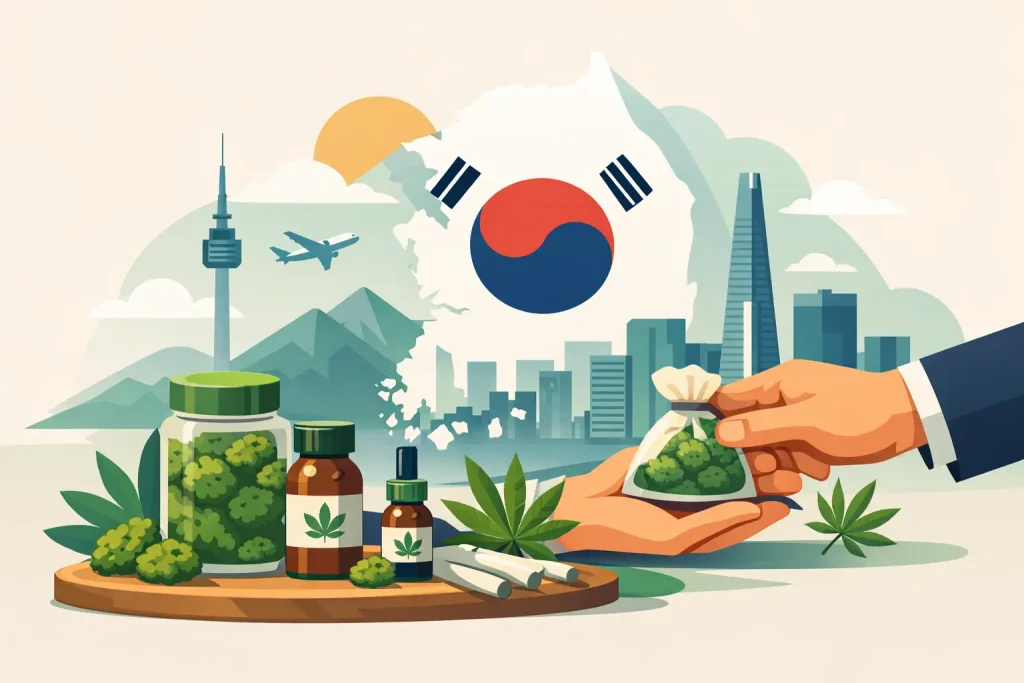
Marijuana for Sale in South Korea Now
May
If you are searching for marijuana for sale in South Korea, the first thing to understand is not where to buy it, but what that search actually puts at risk. South Korea has some of the strictest cannabis laws in the region, and the gap between what a seller promises online and what a buyer faces in real life is huge.
This is not a market where convenience, strain names, or delivery claims matter more than the legal reality. Listings can look polished. Messages can sound confident. A site can promise privacy, speed, and easy payment. None of that changes the fact that cannabis remains heavily restricted, enforcement is serious, and buyers can expose themselves to criminal liability, scams, surveillance, and blackmail.
Marijuana for Sale in South Korea: What the Search Really Means
The phrase marijuana for sale in South Korea sounds simple, but the situation behind it is not. In practical terms, people searching this term are usually looking for one of three things: a way to buy discreetly, a source that seems safer than street dealing, or reassurance that online ordering is somehow low risk.
That reassurance is often the product being sold as much as the cannabis itself. Sellers know that fear is the main obstacle. So they lean hard on words like discreet, anonymous, safe, verified, and fast delivery. They may mention crypto payments, messenger apps, and drop-off systems as if those details eliminate exposure. They do not.
Crypto is not magic invisibility. Telegram is not a legal shield. A promised dead drop is still part of an illegal transaction. The more steps involved, the more points where something can go wrong – financially, legally, or personally.
The Legal Reality in South Korea
South Korea does not treat cannabis as a casual offense. Authorities have historically taken drug enforcement seriously, and that includes possession, purchase, use, importation, and distribution. The risk is not limited to sellers. Buyers can face investigation and prosecution too.
For residents, that can mean damage that lasts well beyond any immediate charge. Employment consequences, visa problems, academic discipline, travel restrictions, and reputational harm can all follow. For tourists or foreign residents, the stakes may also include immigration consequences.
There is another layer that many buyers miss. Even when someone believes they are making a small, private purchase, digital trails can still exist. Device data, message history, wallet activity, delivery records, and surveillance all create exposure. The idea that a transaction is safe because it felt private at the moment is a bad assumption.
Medical exceptions do not create a retail market
Some readers confuse limited medical developments involving cannabis-derived products with general access to weed. That is a mistake. A tightly controlled medical exception is not the same thing as a legal consumer market. It does not mean there is lawful recreational marijuana for sale in South Korea.
That distinction matters because many shady sellers exploit it. They blur legal language, imply tolerance, or make the market seem more open than it is. Buyers who rely on that framing can end up making decisions based on fiction.
Why Online Cannabis Listings Are So Risky
An illegal online market has no customer protections. That is the core problem. If you order from a hidden storefront, a social account, or a Telegram contact, you are trusting a stranger in a setting where trust cannot be enforced.
The best-case scenario is still illegal. The worse scenarios are common. You can pay and receive nothing. You can receive something completely different from what was advertised. You can be asked for more money after payment. Your personal details can be saved and used later. You can be threatened after the seller learns you are willing to pay to avoid problems.
In legal retail markets, buyers can compare licensed sellers, verify products, and use payment systems with some recourse. None of that exists here. In a prohibition environment, the seller writes the rules, and the buyer absorbs the risk.
The scam pattern is predictable
A lot of underground listings follow the same script. First comes urgency – product in stock, same-day delivery, city coverage, premium strains. Then comes reassurance – stealth packaging, no names, no trace, verified source. Then comes the payment push – usually crypto only, often with pressure to act quickly.
Once payment is sent, the leverage shifts. Some sellers disappear. Others invent a problem: the courier was stopped, the package needs insurance, customs flagged the order, or a security fee is now required. Each message is designed to keep the buyer emotionally committed long enough to send more money.
That is not a rare edge case. It is a standard play in illegal online sales.
What Buyers Often Overestimate
People looking for weed in a restrictive country tend to overestimate three things: seller professionalism, anonymity, and product quality. A slick menu with familiar strain names means very little. Anyone can copy strain descriptions and stock photos. Anyone can claim coverage across multiple cities. Anyone can say a product is top shelf.
Anonymity is usually overstated too. If a conversation exists, a wallet transfer exists, or a meetup point is discussed, there is already a footprint. Even if no police action ever happens, the seller may still know enough to exploit the situation.
Quality is the easiest promise to fake. Without testing, labeling standards, or legal oversight, the buyer has no reliable way to confirm potency, contamination, or even whether the product is what it claims to be. In a market built on secrecy, confidence often replaces evidence.
Marijuana for Sale in South Korea and the Myth of Safe Delivery
One of the most common selling angles around marijuana for sale in South Korea is delivery. It sounds easier than meeting a street dealer, and that is exactly why it works as marketing. But delivery is not automatically safer just because it feels more organized.
Delivery creates records, timing patterns, communication trails, and handoff risks. If a seller uses a courier, a drop point, or a third-party contact, more people may become involved, not fewer. If they promise nationwide service, that may sound impressive, but it also raises the question of whether the claim is even real.
The truth is simple: a delivery promise in an illegal market is a sales tactic first. It is not a guarantee of security. It is not proof of legitimacy. It is not evidence that the operation is careful or trustworthy.
The Gap Between Search Intent and Reality
Most people making this search are not looking for a legal analysis. They want a quick answer. Is there weed available? Can it be ordered privately? Is there a reliable source?
That is exactly why this topic attracts dangerous marketing. A person in a hurry is easier to push. A person worried about privacy is easier to manipulate with confidentiality claims. A person unfamiliar with local conditions is more likely to believe that crypto and messaging apps make the transaction safe.
But speed is usually what gets people into trouble. When a market is illegal, restricted, and opaque, impatience is expensive. Sometimes that cost is money. Sometimes it is exposure. Sometimes it becomes a criminal matter.
What to Keep in Mind Before You Trust Any Seller
If someone is promising perfect stealth, guaranteed drop-off, premium flower, and zero risk, that is not credibility. That is a pitch. In illegal markets, the strongest sales language is often the biggest warning sign.
The hard truth is that there is no version of buying illegal cannabis that becomes safe because a seller sounds confident. There is only a range of possible bad outcomes, and some are much worse than others. When the law is strict and the market is unregulated, buyers carry nearly all of that weight.
A smart decision starts by stepping back from the sales copy. If a listing looks too smooth, too certain, or too easy, that is probably the point. The most useful move is not asking how fast it can arrive, but asking why a stranger wants you to feel that comfortable so quickly.
If you are weighing your options, treat certainty as the red flag it is – because in a market like this, the people making the biggest promises are usually the ones you should trust the least.
You Might Also Like These:
SATIVA
- KRW: ₩ 527,005,570.96 - ₩ 3,689,038,970.22
SATIVA
- KRW: ₩ 527,005,570.96 - ₩ 3,689,038,970.22
HYBRID
- KRW: ₩ 527,005,570.96 - ₩ 3,689,038,970.22
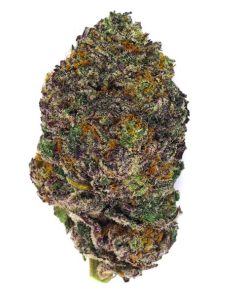
INDICA
- KRW: ₩ 527,005,570.96 - ₩ 3,689,038,970.22
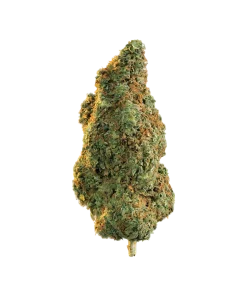
HYBRID
- KRW: ₩ 527,005,570.96 - ₩ 3,689,038,970.22
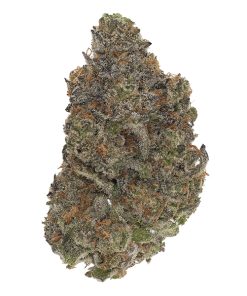
INDICA
- KRW: ₩ 527,005,570.96 - ₩ 3,689,038,970.22
