
Uncategorized
Is Weed Legal in Korea? The Real Answer
May
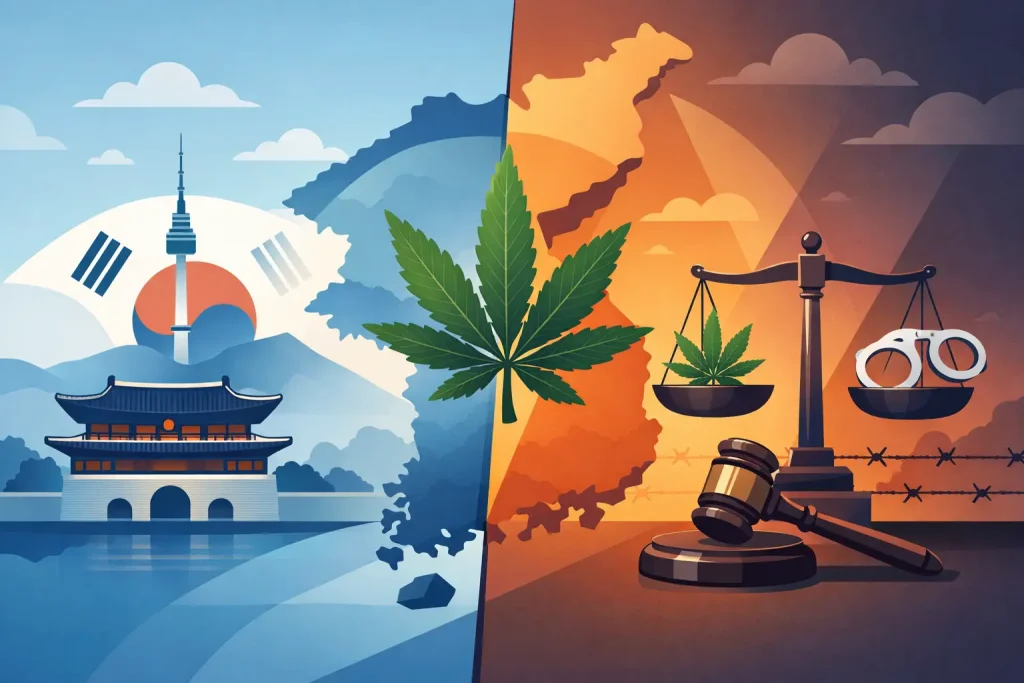
If you are asking is weed legal in Korea, the short answer is no – and the long answer matters even more. Korea treats cannabis as a serious drug offense, and the gap between what some travelers assume and what the law actually says is where people get into trouble fast. This is not one of those places where a little confusion gets waved off.
Is weed legal in Korea for locals or tourists?
No. Weed is illegal in Korea for residents, visitors, and foreign passport holders. That includes possession, use, buying, selling, importing, and growing. There is no casual gray area for personal use, and there is no tourist exception because you came from a place where cannabis is legal.
That point trips people up all the time. Someone lands from California, Canada, or Thailand and assumes the social vibe around weed back home means the same rules apply abroad. They do not. Korea’s drug laws are strict, enforcement is aggressive, and authorities do not treat cannabis as a harmless vacation mistake.
Even small amounts can create real legal exposure. The issue is not just whether you were caught with product in your pocket. Police attention can extend to messages, transaction history, delivery patterns, tips, and in some cases testing tied to suspected use.
Why Korea is so strict on cannabis
Korea does not approach weed the way many Western markets do. Public policy has long grouped marijuana with controlled narcotics, and the legal system reflects that mindset. Social tolerance is also much lower than in places where dispensaries are normal and cannabis branding is mainstream.
That means the practical risk is bigger than many people expect. In some countries, low-level weed cases get minimal attention. In Korea, cannabis can bring criminal consequences, reputational damage, immigration issues, school or job fallout, and long-term stress that goes well beyond the product itself.
The other thing people miss is that enforcement is not only about catching visible street deals. Korea has a strong digital culture and a lot of law enforcement interest in online activity tied to drugs. If someone thinks ordering quietly online makes the issue disappear, that is a dangerous assumption.
What happens if you get caught with weed in Korea?
It depends on the facts, but none of the outcomes are good. Possession can trigger arrest, questioning, and prosecution. Distribution or import-related activity is treated even more seriously. If the case suggests repeated transactions, organized delivery, or cross-border sourcing, the legal exposure climbs fast.
For foreign nationals, the problem does not stop at the criminal side. Visa cancellation, detention, deportation, and future travel restrictions can all become part of the picture. For Korean citizens, the consequences can spill into work, family, education, and military-related obligations.
There is also a difference between what people hear in rumors and what actually happens. A lot of underground talk makes cannabis charges sound manageable if you stay low-key. Real life is messier. One intercepted package, one phone search, one careless message thread, or one bad handoff can change everything.
Is medical weed legal in Korea?
This is where the answer gets more nuanced, but not in a way most buyers will like. Korea has allowed very limited medical cannabis access under tightly controlled conditions for certain approved products and specific medical cases. That does not mean ordinary marijuana flower is broadly legal, and it definitely does not mean recreational buying is allowed.
So if someone says weed is legal in Korea because medical cannabis exists, that is misleading. Limited medical exceptions are not the same thing as legal dispensary access, open personal possession, or private ordering. For most adults searching this topic, the practical answer is still no.
That distinction matters because a lot of bad information online mixes up restricted pharmaceutical pathways with regular cannabis use. They are not the same market, and they do not create cover for recreational possession.
Why tourists get this wrong
Travelers often read the room badly. They see nightlife, modern city culture, international crowds, and app-based convenience everywhere, then assume cannabis must be easier to access than it is. But modern infrastructure does not equal relaxed drug law.
Another reason is the internet itself. Search results around this topic are filled with bold claims, underground listings, and sales-heavy language promising privacy, delivery, and easy ordering. That kind of copy is designed to lower hesitation. It is not designed to protect you.
The hard truth is simple. Convenience claims do not reduce legal risk. A seller saying a transaction is discreet does not make it safe. Crypto payment does not turn an illegal purchase into a smart one. Fast drop-off does not matter if the entire chain still carries criminal exposure.
The online market does not change the law
A lot of people asking is weed legal in Korea are not really asking about legal theory. They are asking whether it is realistically possible to get weed without problems. That is a different question, and the honest answer is that risk stays risk even when the process looks easy.
Online drug markets try to solve buyer fear with promises about anonymity, encrypted chat, hidden delivery, and no-face transactions. Those promises are part of the pitch. But every step creates a trail of some kind – device use, wallet activity, delivery coordination, chat logs, reused usernames, location habits, and simple human mistakes.
The underground market also has another problem people do not talk about enough: reliability. When a transaction is illegal, there is no consumer protection. If someone sends money and gets nothing, gets low-quality product, gets set up, or gets exposed by sloppy handling, there is no clean fix. The same secrecy that attracts buyers also protects bad actors.
Penalties are only part of the risk
People tend to focus on the sentence, the fine, or whether jail is possible. But secondary damage is often what hurts most. If you are a student, a worker on a visa, a teacher, a public-facing professional, or someone with family ties that depend on stability, a cannabis case can hit every part of your life at once.
There is also the social side. Korea can be unforgiving when drug allegations become known. Even before a case is fully resolved, the pressure can be immediate. That is one reason this topic deserves a straight answer instead of recycled hype.
For some readers, that may sound obvious. For others, especially people arriving from legal markets, it is not obvious until they are already taking chances they did not fully understand.
So, is weed legal in Korea in any practical sense?
No, not for recreational use, not for casual possession, and not in the way most people mean when they ask the question. There is no normal legal lane for buying weed for fun, carrying it around, or arranging a private sale and pretending the law does not apply.
Could someone still find offers? Sure. That happens in nearly every restricted market. But availability and legality are not the same thing, and availability does not cancel enforcement. That is the central mistake behind a lot of risky decisions.
If you are researching before a trip or while living there, the smartest move is to treat Korea as a strict no-go environment for recreational cannabis. Not because the internet lacks offers, but because the legal and personal downside is real, immediate, and often underestimated.
A good rule for this topic is simple: when a place has harsh cannabis laws, do not let underground convenience talk you into acting like it does not.
You Might Also Like These:
SATIVA
- KRW: ₩ 527,005,570.96 - ₩ 3,689,038,970.22
SATIVA
- KRW: ₩ 527,005,570.96 - ₩ 3,689,038,970.22
HYBRID
- KRW: ₩ 527,005,570.96 - ₩ 3,689,038,970.22
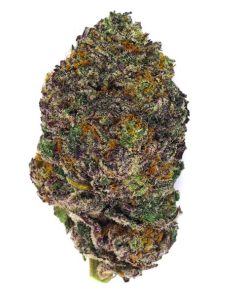
INDICA
- KRW: ₩ 527,005,570.96 - ₩ 3,689,038,970.22
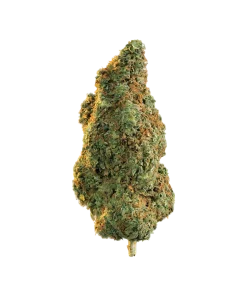
HYBRID
- KRW: ₩ 527,005,570.96 - ₩ 3,689,038,970.22
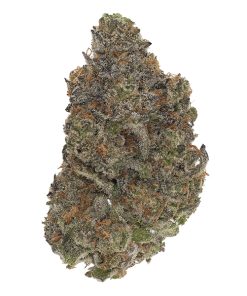
INDICA
- KRW: ₩ 527,005,570.96 - ₩ 3,689,038,970.22
