
Uncategorized
Cannabis Quality Check Guide That Works
May
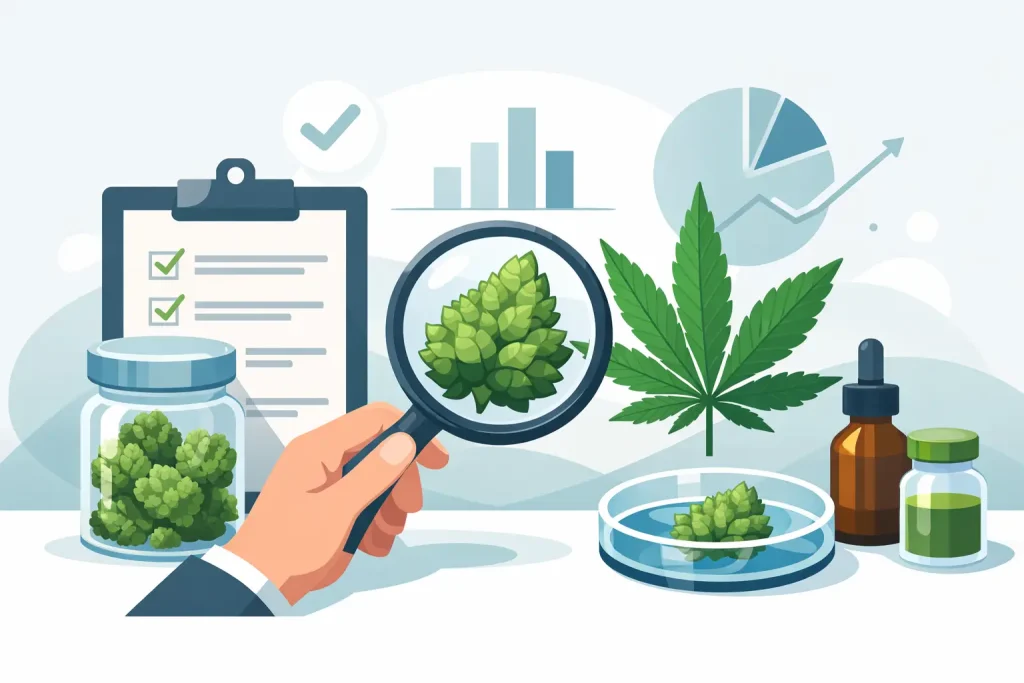
Bad weed usually tells on itself fast. The smell is flat, the bud feels wrong in your hand, and the smoke turns harsh before you are halfway through the session. A real cannabis quality check guide helps you catch that before you waste money on flower that looks decent in photos but disappoints when it lands.
If you are buying in a market where discretion matters, quality matters even more. You do not want to take a risk on product that is old, badly cured, moldy, or just overhyped. Good flower is not just about getting strong effects. It is about clean aroma, proper dryness, solid trim, and a cure that lets the strain show what it is supposed to be.
What a cannabis quality check guide should focus on
A lot of people look at one thing only – usually crystals. That is where mistakes start. Frosty weed can still be weak, harsh, or poorly handled. A proper cannabis quality check guide looks at the whole picture: appearance, smell, texture, freshness, cure, and how honestly the product was prepared.
The first check is visual, but it should never be the only check. Color can tell you something, but color alone proves nothing. Deep green, light green, purple tones, orange pistils – all of that can be normal depending on the strain. What you are really looking for is life in the flower. It should not look dusty, brown, flattened, or beaten up.
Bud structure matters too. Dense buds are not automatically better, and airy buds are not automatically bad. Some sativas naturally grow looser than compact indicas. The real question is whether the structure matches the strain type and whether the flower looks carefully grown instead of rushed and stressed.
Check the smell before anything else
Smell is one of the fastest ways to separate real quality from average product. Fresh cannabis should hit your nose clearly. It might smell gassy, fruity, skunky, earthy, sweet, spicy, or sharp, but it should smell like something. If you have to hunt for the aroma, that is a bad sign.
Weak smell usually points to one of three problems. The flower is old, it was stored badly, or it was never that good to begin with. Bud that smells like hay or dry grass often means the drying and curing process was rushed. That matters because poor curing strips away flavor and can make the smoke rough.
Be careful with weed that smells too strange in the wrong way. A musty basement smell can point to mold. A chemical smell can suggest contamination or poor handling. If the aroma feels off, trust that instinct. Good cannabis does not need excuses.
How good flower should feel in your hand
Texture tells the truth. Quality bud should have a little spring when you squeeze it gently. It should not crumble into dust, and it should not feel damp or wet. The sweet spot is flower that is properly dried but still holds some life.
Too dry is a common problem. Overdry weed burns fast, tastes harsh, and loses terpene quality. It may still get you high, but it is usually a thinner experience. On the other side, overly wet flower is not a bonus. It can be harder to burn, easier to mold, and sometimes means the product was not finished properly before sale.
Stickiness can be a good sign, but context matters. Some strains are naturally tackier because of resin production. Still, sticky does not always mean clean. If a bud feels oddly wet, greasy, or unnatural, that is different from healthy resin.
Trichomes matter, but not the way people think
People love to chase frost. Fair enough – visible trichomes usually signal resin production, and resin holds a lot of the compounds buyers care about. But the real quality check is not just whether trichomes are there. It is whether they look intact and whether the flower has been handled with care.
If the bud looks shaved down, knocked around, or overly compressed, some of that resin may already be gone. Good flower keeps its coating. It should look lively, not sandblasted. If you can see sugar leaves trimmed close without the bud being butchered, that is usually a better sign than an aggressive machine-trimmed look.
Also, do not let sparkle blind you. Some low-grade flower can still photograph well under strong light. You want resin plus aroma, resin plus proper cure, resin plus clean texture. One signal alone is not enough.
A cannabis quality check guide for trim and cure
Trim tells you how much care went into the final product. A clean trim means excess leaf is removed without cutting away the bud itself. That matters for smoke quality because too much leftover leaf can make the hit harsher and the taste dirtier.
Still, there is a trade-off. Some buyers assume the prettiest trimmed flower is always the best. Not true. Hand-trimmed buds often look more natural and preserve trichomes better, while machine-trimmed buds can look neat but lose character. You are looking for balance – tidy, but not stripped.
Cure is where quality either comes together or falls apart. Properly cured cannabis burns more evenly, smells fuller, and smokes smoother. Poorly cured flower can seem decent at first glance but disappoint once lit. If the ash is dark and the smoke feels sharp on the throat, that can point to cure issues, though not every harsh hit comes from the same cause.
Watch for red flags that are not worth ignoring
Mold is the biggest hard stop. If you see fuzzy white patches, gray webbing, or anything that looks like powder where it should not be, walk away. The same goes for a wet interior combined with a stale smell. No deal is good enough to justify that risk.
Seeds are another warning sign, especially in flower sold as premium. A random seed can happen, but a lot of seeds usually means lower-quality production. The same goes for excessive stems, broken shake at the bottom of the pack, or buds that look badly compressed just to save space.
Then there is the problem of fake freshness. Some product gets dressed up with packaging, strain names, or exaggerated THC claims, but the flower itself says otherwise. If the bud has no aroma, no bounce, and no real resin presence, the label does not matter.
How to judge quality when buying from photos
Photos help, but they only help so much. Good lighting can make average flower look expensive. Filters can push green and purple tones harder than they appear in real life. That means you should treat photos as one part of the check, not the final answer.
Look for close shots that show texture instead of just color. You want to see whether the buds look dry in a dead way, whether the trim is rough, and whether the flower appears flattened. If every image is distant, blurry, or overly edited, that usually tells you something too.
Ask simple questions in your own head when looking at flower shots. Does it look fresh? Does it look handled carefully? Does it match the strain type being claimed? Hype words are cheap. Visible signs of quality are harder to fake.
Why strain reputation is not enough
A famous strain name can create false confidence. OG Kush, AK-47, Granddaddy Purple – all strong names, but the name alone does not promise the batch is good. A badly grown or badly stored version of a respected strain is still bad weed.
That is why a quality-first approach beats a name-first approach. Start with condition, aroma, structure, and cure. Then think about strain profile. If both line up, great. If the name is strong but the flower looks tired, trust the flower.
This matters even more when the market is built on fast deals and limited transparency. Buyers who know how to inspect quality make better calls and get burned less often.
The fast buyer’s quality check
If you need a quick read, keep it simple. Check for strong natural aroma, healthy texture, visible intact trichomes, decent trim, and signs of a proper cure. Then check for what should kill the deal – mold, hay smell, dust-dry texture, too much seed, or flower that looks old and lifeless.
None of these checks work alone. Good weed is a pattern, not one flashy feature. The more signs line up, the safer your read usually is. If too many things feel off, do not talk yourself into it.
A smart buyer does not chase whatever gets advertised the hardest. They check the flower, trust the basics, and stay picky. That habit saves money, saves time, and usually leads to a much better smoke when the pack finally opens.
You Might Also Like These:
SATIVA
- KRW: ₩ 527,005,570.96 - ₩ 3,689,038,970.22
SATIVA
- KRW: ₩ 527,005,570.96 - ₩ 3,689,038,970.22
HYBRID
- KRW: ₩ 527,005,570.96 - ₩ 3,689,038,970.22
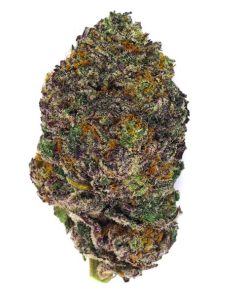
INDICA
- KRW: ₩ 527,005,570.96 - ₩ 3,689,038,970.22
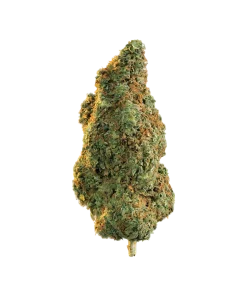
HYBRID
- KRW: ₩ 527,005,570.96 - ₩ 3,689,038,970.22
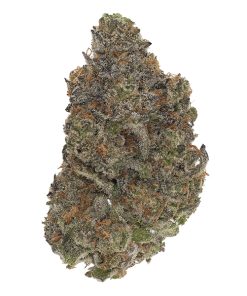
INDICA
- KRW: ₩ 527,005,570.96 - ₩ 3,689,038,970.22
