
Uncategorized
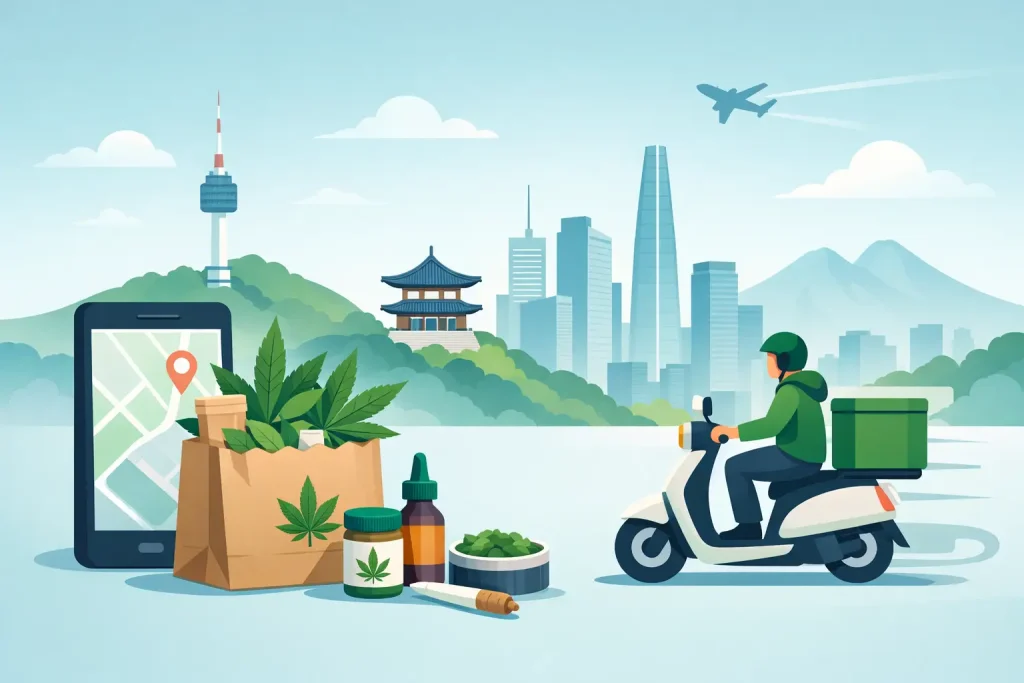
Marijuana Delivery in Seoul: What to Know
May
You do not need a long speech if you are searching for marijuana delivery in Seoul. You are usually looking for one thing – a fast, private way to get weed without wasting time, asking around, or walking into a bad setup. That is the whole appeal. In a city where access feels closed off, delivery sounds simple. But simple is not always the same as safe, reliable, or worth the risk.
This is where most people get tripped up. The promise is always the same: discreet ordering, quick response, clean product, no hassle. For buyers, especially tourists or people without local connections, that pitch lands hard. It removes the awkward part of trying to source through strangers. It also creates a false sense of control if you do not slow down and look at what is actually being offered.
Why marijuana delivery in Seoul gets so much attention
The demand is easy to understand. People want convenience, privacy, and speed. They do not want to stand around in unfamiliar neighborhoods, decode vague messages, or deal with middlemen who disappear after payment. Delivery feels modern. It feels organized. It feels like a cleaner version of an underground market.
That is why search interest around marijuana delivery in Seoul keeps making sense from a buyer point of view. The service model speaks directly to pain points: no street sourcing, no social hunting, no public meetups if drop-off can be arranged quietly. For some buyers, especially first-timers, that alone is enough to make delivery seem like the obvious option.
But attention is not the same as trust. A seller can sound confident, answer fast, and still be unreliable. A polished storefront can still be just a front. The more a market depends on secrecy, the more buyers have to judge with limited information.
What buyers usually expect from a delivery setup
Most people searching this term are not looking for cannabis culture. They are looking for logistics. Can they order fast, pay without drama, and get the product without exposing themselves more than necessary? That is the real buying mindset.
A typical buyer expects a few things right away. First, clear product categories. They want to see whether they are choosing indica, sativa, or hybrid, and whether named strains are actually available instead of being used as bait. Second, they want private communication, usually through direct messaging. Third, they want a payment method that keeps distance between the purchase and their identity. Fourth, they want a drop-off process that does not turn into hours of waiting and vague excuses.
Those expectations are reasonable inside this kind of market. The problem is that every underground seller knows exactly what buyers want to hear. So the language starts to sound identical across listings – discreet, safe, fast, premium, trusted. When everybody says the same thing, buyers stop getting real signals and start reacting to whichever pitch feels the most confident.
The appeal of private ordering
Privacy is the main selling point, not the flower itself. That is the truth behind most delivery searches. A lot of buyers are less focused on terpene profiles or cultivation details than they are on keeping the process contained. They want minimal back-and-forth, minimal exposure, and no unnecessary details.
That is why off-platform communication gets pushed so hard. Direct messaging feels more personal and faster than email or open chat. Crypto-only payment gets framed as cleaner and more discreet than anything tied to a bank. Drop-off fulfillment gets positioned as low contact and low friction. For a buyer, the whole chain looks built around avoiding noise.
There is a trade-off, though. The more a transaction is built around anonymity, the less recourse you usually have if something goes wrong. That does not mean every private sale is fake. It means the structure naturally protects the seller more than the buyer. If the product is weak, late, different from what was shown, or never arrives, there is not much room to argue.
What makes one offer look more credible than another
In a market like this, credibility is mostly presentation. That sounds harsh, but it is true. Buyers tend to trust sellers who communicate fast, keep instructions short, and sound like they have done this many times before. Clean strain menus help. So do specific names like OG Kush, AK-47, Granddaddy Purple, or Big Skunk Korean, because they make the catalog feel more real.
Still, named strains alone prove nothing. A strong menu can be copied in minutes. What usually matters more is consistency in the conversation. Does the seller answer directly, or dodge simple questions? Are delivery terms clear? Is the ordering flow explained without five different versions? Does the seller sound calm, or do they lean too hard on pressure and urgency?
Confidence helps, but too much pressure is often a bad sign. If every message is pushing immediate payment without answering the basics, that should tell you something. A lot of buyers confuse aggressive sales language with underground credibility. Sometimes it is just noise.
Speed vs discretion
This is where expectations need to stay realistic. Buyers want both fast service and maximum privacy, but those two goals can pull against each other. Faster delivery usually means tighter timing, more movement, and less flexibility. More discretion can mean slower coordination, more vague location planning, or delayed confirmations.
A serious buyer should understand that no delivery promise is magic. If a seller advertises instant response, same-day handling, private communication, and smooth drop-off every single time, that may sound great, but real underground logistics are rarely that perfect. Good operations can reduce friction. They cannot erase it.
This matters because disappointment often starts with unrealistic assumptions. If you expect the process to work like normal retail, you will probably misread delays, vague updates, or sudden route changes. That does not automatically mean a deal is bad. It does mean underground delivery comes with uncertainty built in.
Product choice matters, but only to a point
For experienced smokers, strain selection is a big part of the draw. They may want a heavy indica at night, a balanced hybrid for social use, or a bright sativa for daytime. A storefront that separates categories and lists known genetics looks better than one with a random, generic weed menu.
But here is the practical truth: if the sourcing is weak, the label means less than people want to believe. In restricted markets, buyers often pay more attention to reliability and basic quality than to perfect strain purity. A clean, decently cured product delivered as promised will usually matter more than a fancy name attached to average flower.
That is not a reason to ignore product details. It is a reminder to keep priorities straight. Good listings help. Consistent fulfillment matters more.
Why newcomers approach this differently
New buyers usually care less about strain specifics and more about process. They want to know how ordering works, what payment is accepted, how communication happens, and whether the drop-off will feel exposed. They are often not trying to compare ten options. They just want one route that feels manageable.
That is why a straightforward storefront can perform well. It reduces friction. It gives the buyer a sense that there is a system instead of chaos. For some, that is enough to move forward. For others, the crypto requirement or direct-message model becomes the main obstacle.
The gap between experienced buyers and newcomers is not really about taste. It is about confidence with the process. Veterans can tolerate more ambiguity. New buyers usually need cleaner instructions and stronger reassurance.
The real trade-off behind marijuana delivery in Seoul
The reason this topic keeps pulling attention is simple: it offers access where access feels blocked. That is powerful. It solves the hardest part for a lot of people, which is finding a source at all. A direct online setup, private chat, and drop-off promise can look like the shortest path between search and product.
But the trade-off never disappears. The same features that make marijuana delivery in Seoul attractive – secrecy, distance, off-platform contact, crypto payment – are also the features that make trust harder to verify. Buyers who understand that tend to approach offers more carefully. Buyers who ignore it usually focus only on the upside and miss the imbalance.
If you are comparing options, keep your attention on consistency, communication, and whether the offer sounds grounded instead of flashy. Sellers can promise privacy all day. What matters is whether the whole process feels controlled, direct, and believable from start to finish.
If you want the shortest version, it is this: convenience gets people interested, but clarity is what keeps a delivery setup from feeling like a gamble. Move with your eyes open, not just your impatience.
You Might Also Like These:
SATIVA
- KRW: ₩ 527,005,570.96 - ₩ 3,689,038,970.22
SATIVA
- KRW: ₩ 527,005,570.96 - ₩ 3,689,038,970.22
HYBRID
- KRW: ₩ 527,005,570.96 - ₩ 3,689,038,970.22
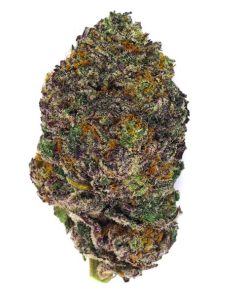
INDICA
- KRW: ₩ 527,005,570.96 - ₩ 3,689,038,970.22
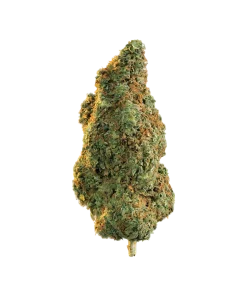
HYBRID
- KRW: ₩ 527,005,570.96 - ₩ 3,689,038,970.22
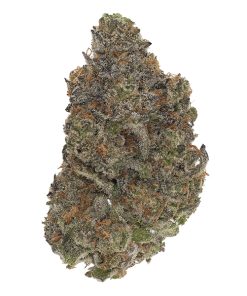
INDICA
- KRW: ₩ 527,005,570.96 - ₩ 3,689,038,970.22
