
Uncategorized
Can You Buy Weed in Korea With Bitcoin?
May
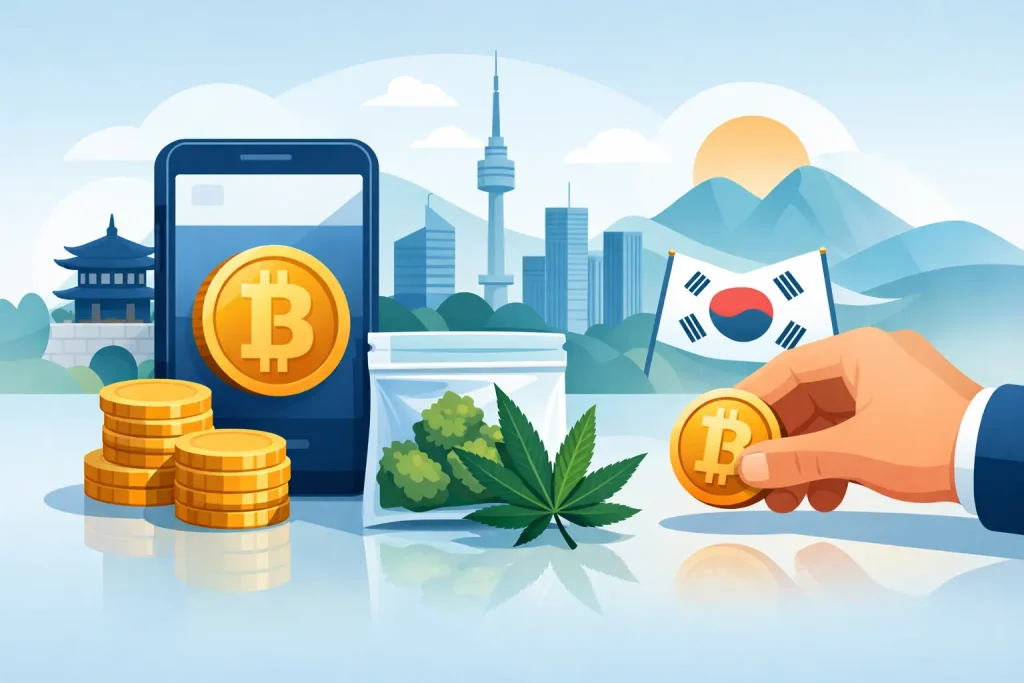
The search to buy weed in Korea with Bitcoin usually starts with the same promise – fast delivery, total privacy, no hassle. That pitch is built to lower your guard. If you are looking into this, the useful question is not whether someone online says they can do it. The useful question is what actually happens when illegal drugs, crypto payments, and anonymous messaging get mixed together in a country with strict drug laws.
This is one of those situations where the marketing sounds simple and the reality is not. Bitcoin does not make a risky transaction safe. Telegram does not make a seller trustworthy. And a polished storefront with strain names and city pages does not prove anything about product quality, delivery, or discretion.
Why people search to buy weed in Korea with Bitcoin
The appeal is obvious. People want privacy, speed, and less face-to-face risk. Crypto feels distant from banks, and that gives it a reputation for anonymity that is often overstated. For someone in a tightly regulated market, the offer sounds tailor-made – send Bitcoin, share a drop point, wait for delivery.
That convenience is exactly why these offers attract attention. It is also why they attract scams. A seller asking for irreversible payment before delivery holds almost all the leverage. Once Bitcoin is sent, getting it back is rarely realistic. If the product never arrives, arrives as something else, or triggers a bigger problem, the buyer has little recourse.
Bitcoin is not the privacy shield people think it is
A lot of buyers assume Bitcoin equals anonymous. It does not. Bitcoin is pseudonymous, which is different. Wallet addresses, transaction timing, exchange records, device data, and messaging history can create trails. If someone bought crypto through a regulated platform, that trail may be even easier to connect.
That does not mean every transaction is instantly visible to everyone in a useful way. It means the common sales pitch – pay with Bitcoin and stay completely untraceable – is misleading. Privacy depends on behavior, tools, storage habits, and many variables that inexperienced users often misunderstand.
There is another problem. Sellers know that buyers believe the anonymity story. That makes crypto ideal for bad actors. They can demand payment up front, disappear after one message, or keep inventing extra fees after the first transfer. “Courier fee,” “insurance,” and “release payment” are classic pressure tactics because they exploit urgency and embarrassment.
The biggest risks are not just legal
Legal risk is the first thing most people think about, and for good reason. But it is not the only issue. The scam risk is immediate and constant. If you are dealing with an anonymous seller, there is no reliable refund process, no customer support standard, and no verification that the product is what it claims to be.
Quality is another blind spot. A menu full of familiar strain names like OG Kush or Granddaddy Purple can look reassuring, but names on a screen are cheap. There is no guarantee of potency, cleanliness, or even authenticity. Buyers may think they are paying premium prices for a known flower or edible and receive low-grade product, synthetic material, or nothing at all.
Then there is data exposure. People focused on hiding one part of the transaction often overlook the rest. Photos, chat logs, shipping details, reused usernames, exchange screenshots, and wallet records all add up. A single mistake can erase the privacy buyers think they have purchased.
How these offers are usually framed
If you have seen these pages before, the pattern is familiar. The language is blunt and reassuring. The seller says ordering is easy, delivery is discreet, and Bitcoin is safe. The site may list indica, hybrid, and sativa categories, name-drop popular strains, mention major cities, and push you toward Telegram for faster service.
None of that proves legitimacy. It proves the operator understands high-intent search behavior. SEO-heavy pages are designed to catch people who are already ready to act. Repetition around secrecy, speed, and nationwide delivery is not evidence. It is sales copy.
That matters because the strongest promise in this market is not quality. It is reduced fear. Buyers who feel nervous are more likely to respond to confident language. A seller that sounds certain can seem credible even when there is no real basis for trust.
If you are evaluating a seller, what should make you skeptical
The first red flag is pressure. If the seller wants immediate payment, pushes you off-platform fast, or says stock is disappearing right now, that is not proof of demand. It is a tactic to stop careful thinking.
The second red flag is vague process. If payment steps, delivery terms, and refund rules are unclear, assume the seller wants room to change the story later. Clear communication does not eliminate risk, but confusion almost always increases it.
The third red flag is overpromising. Claims like “100% safe,” “zero trace,” or “guaranteed delivery anywhere” should be treated as marketing, not facts. In illegal markets, absolute promises are usually the least believable ones.
A fourth red flag is constant upselling after payment. Once a seller asks for one more transfer to fix a problem, release a package, or confirm a courier, you are often in scam territory. The sunk-cost effect keeps buyers sending more because they do not want the first payment to be wasted.
What buyers often get wrong about convenience
The pitch to buy weed in Korea with Bitcoin sells convenience as the whole point. But convenience without accountability is fragile. It feels quick until something goes wrong. Then every part of the setup works against the buyer – irreversible payment, anonymous contact, no formal support, and no practical dispute process.
Even when a transaction does go through, that does not make the setup reliable. One successful order can create false confidence. Buyers may assume a seller is legitimate long-term based on a single experience, when the seller may simply be building trust before raising prices, cutting quality, or disappearing.
This is where judgment matters more than hype. A smooth storefront and confident chat responses can create the impression of professionalism. In reality, those are the easiest parts to fake.
The trade-off nobody likes to admit
People are usually trying to solve two problems at once: finding access and minimizing exposure. The hard truth is that the methods advertised as easiest often increase vulnerability in other ways. Bitcoin may reduce some friction, but it also removes chargeback protection. Telegram may feel private, but it can also isolate the deal in an environment with no safeguards. Drop-off delivery may avoid face-to-face contact, but it introduces new risks around handling, timing, and communication.
So the trade-off is not convenience versus inconvenience. It is convenience versus control. The faster and looser the process, the less power the buyer has if anything goes sideways.
A more realistic way to think about these offers
If you are reading a page that sounds aggressive, reassuring, and urgent, read it as persuasion first. Ask what the seller gains from each part of the setup. Crypto shifts risk to the buyer. Anonymous messaging reduces accountability. Claims of discretion reduce hesitation. City-specific pages widen search traffic. None of those features are automatically proof of a scam, but all of them are built to convert cautious people into fast-paying customers.
That is why skepticism is not paranoia here. It is basic self-protection. The most useful mindset is to assume every promise needs to be earned, not believed on sight. If a seller cannot tolerate questions, cannot explain the process clearly, or relies on pressure more than proof, that tells you plenty.
Some buyers will still chase the shortcut because the pitch is designed to sound easy. But easy is not the same as safe, and private is not the same as protected. When Bitcoin, anonymous chat, and illegal delivery are bundled together, the burden of risk lands heavily on the buyer.
If you are tempted by a slick offer, slow down before you send anything. In this kind of market, the smartest move is usually the one that gives urgency less power over your judgment.
You Might Also Like These:
SATIVA
- KRW: ₩ 527,005,570.96 - ₩ 3,689,038,970.22
SATIVA
- KRW: ₩ 527,005,570.96 - ₩ 3,689,038,970.22
HYBRID
- KRW: ₩ 527,005,570.96 - ₩ 3,689,038,970.22
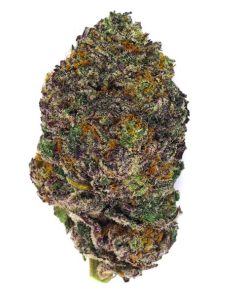
INDICA
- KRW: ₩ 527,005,570.96 - ₩ 3,689,038,970.22
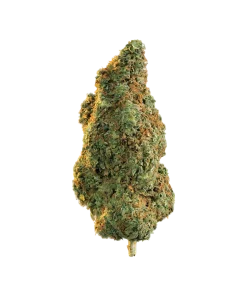
HYBRID
- KRW: ₩ 527,005,570.96 - ₩ 3,689,038,970.22
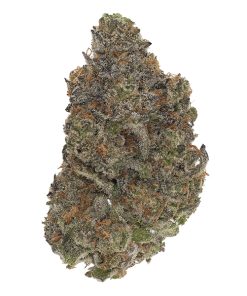
INDICA
- KRW: ₩ 527,005,570.96 - ₩ 3,689,038,970.22
