
Uncategorized
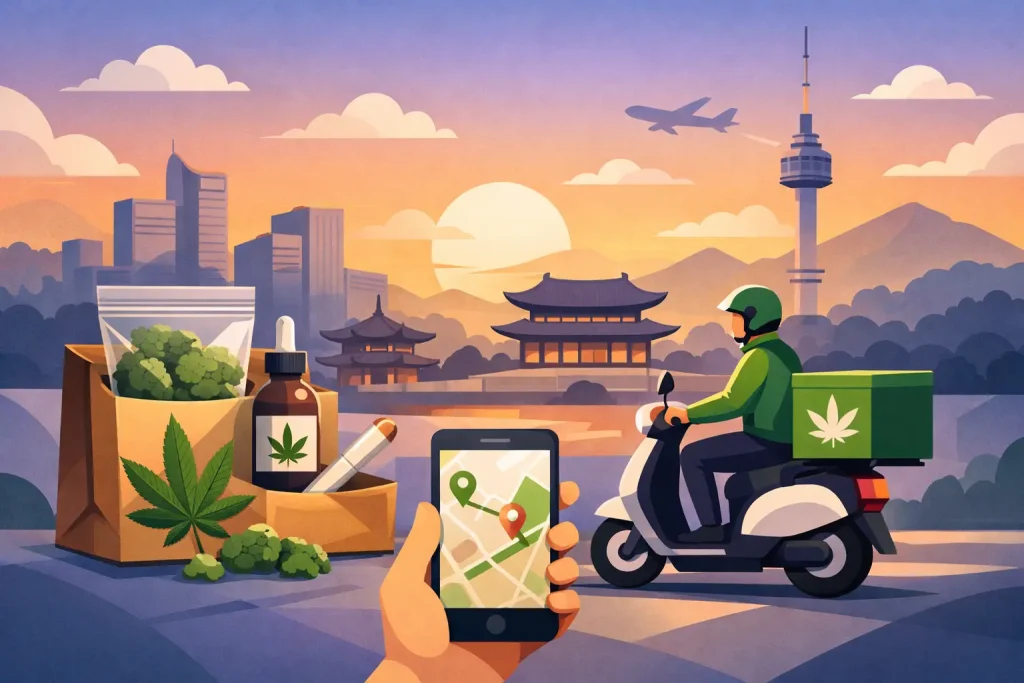
Weed Delivery Services in Seoul: What to Know
May
If you are searching for weed delivery services in Seoul, the first thing to understand is simple: this is not a normal consumer category, and it does not work like ordering takeout, a vape, or a late-night bottle from an app. In South Korea, cannabis laws are strict, enforcement is real, and the gap between what anonymous sellers promise and what a buyer actually gets can be wide.
That matters because search results can make the whole thing look casual. You will see bold claims about fast drop-offs, discreet packaging, citywide coverage, premium strains, and easy crypto payments. On the surface, it sounds frictionless. In practice, every part of that pitch comes with risk – legal, financial, and personal.
The reality behind weed delivery services in Seoul
Most people who look for weed delivery services in Seoul are not really comparing polished businesses. They are navigating a gray space filled with anonymous operators, copied listings, recycled product photos, and conversations pushed onto encrypted messaging apps. That changes how you should evaluate every claim.
The first issue is that there is no verified, regulated framework behind the transaction. A seller can say a product is indica, hybrid, or sativa. They can name strains like OG Kush or Granddaddy Purple. They can promise quality, speed, and privacy. But the buyer usually has no reliable way to confirm what is actually being sold, how it was stored, whether it is contaminated, or whether it exists at all.
The second issue is incentives. In an underground market, the seller’s goal is often to reduce your hesitation fast. That is why the language tends to be blunt and repetitive – discreet, safe, nationwide, no problem, fast reply, easy order. Those phrases are not proof. They are pressure tactics designed to move you from curiosity to payment.
Why crypto and messaging apps are red flags, not guarantees
A lot of pages promoting cannabis delivery lean heavily on cryptocurrency and Telegram-style ordering. The pitch is obvious: crypto sounds private, messaging apps sound off-grid, and both make the process feel less exposed. But for the buyer, those same features remove protection.
Crypto payments are hard to reverse. If a seller disappears after payment, sends the wrong product, or never ships anything, there is usually no practical path to recover your money. That is not a side issue. It is one of the main reasons scam operators prefer crypto in the first place.
Messaging apps create a similar problem. They move the deal away from any public trail and into a private conversation where promises can be vague, deleted, or changed. A seller can sound responsive and confident right up until payment. After that, silence is common. Even when someone does deliver, the buyer is still relying on the word of a stranger whose identity, inventory, and methods are all unverified.
The scam patterns buyers keep running into
Anyone looking into weed delivery services in Seoul should know the common patterns before sending money or personal details. The simplest scam is the fake storefront. It shows strain names, product categories, city coverage, and maybe a few low-quality reviews. The products may look organized, but the site exists mainly to funnel people into a chat and collect crypto.
Another pattern is the bait-and-switch. The seller advertises one thing and delivers something else, usually lower quality, smaller quantity, or a totally different product. Since the buyer has little leverage and the transaction is already illegal, complaints usually go nowhere.
Then there is the partial trust tactic. A seller may be highly responsive at first, answer beginner questions, explain how to buy Bitcoin, and sound patient. That performance creates confidence. Once money is sent, the tone often changes. Suddenly there are extra fees, delivery complications, new wallet addresses, or demands for more payment to “release” the order.
None of this means every claim online is fake. It means the burden of trust is almost entirely on the buyer, while the seller controls the pace, the payment method, and the channel.
Legal risk is not background noise
This is the part many search pages gloss over because it hurts conversion. But it is the part that matters most. South Korea has strict anti-cannabis laws, and those laws are not symbolic. They shape the real-world risk of possession, purchase, and attempted purchase.
That risk applies whether someone is a local resident or a visitor. Being unfamiliar with the market does not lower exposure. In some cases, it increases it, because tourists and newcomers are easier to exploit, less likely to know what normal behavior looks like, and more likely to trust an online promise.
There is also a false sense of distance in delivery-based transactions. People assume that if they never meet a street dealer in person, the process is somehow safer. Sometimes the opposite is true. Digital trails, chat logs, wallet transfers, phone numbers, and delivery details can create their own problems. Privacy language on a sales page does not change that.
How to read a seller page with a colder eye
If you are still researching weed delivery services in Seoul, treat every page like a sales script first and information source second. Ask what is actually being verified. Is there any credible proof of product quality, or just strain names? Is there any reason to trust delivery claims, or only generic assurances? Is the site explaining risk honestly, or pretending none exists?
One useful rule is to pay attention to what gets repeated. If a page says discreet, safe, fast, private, and guaranteed over and over, but says almost nothing concrete about process, accountability, or what happens if something goes wrong, that is not a confidence signal. It is compensation for a trust gap.
Another rule is to be cautious with urgency. Sales language often pushes immediate action – order now, message now, limited stock, fast response, same-day drop. Urgency is effective because it short-circuits judgment. It makes the buyer focus on access instead of risk.
Why product menus can create false confidence
A polished menu can make an underground operation seem more legitimate than it is. Categories like indica, hybrid, and sativa feel familiar. Named strains feel specific. Photos make the offer look tangible. But menus are easy to copy, and strain labels are easy to invent.
That does not mean every listed product is fake. It means the existence of a menu tells you almost nothing by itself. In regulated markets, product labels connect to testing, packaging, supply chains, and compliance rules. In an unregulated channel, a menu is just marketing unless something real stands behind it.
This is where many buyers get tripped up. They mistake recognizable cannabis language for reliability. The seller understands that and builds the page accordingly.
What people are usually really looking for
Under the search term, most users want one of three things. They want convenience, privacy, or predictability. The problem is that underground delivery can promise all three and still deliver none of them.
Convenience disappears fast if the process turns into a crypto tutorial, a long chat, or a payment dispute. Privacy is weak if you are handing over contact details, delivery information, and wallet activity to an unverified operator. Predictability is the hardest one of all, because there is no stable standard for product, timing, or outcome.
That is why the sales pitch works so well. It sells relief from friction in a market defined by friction. But the more a page insists that everything is easy, the more carefully you should read it.
A better way to approach the question
If your real question is whether weed delivery services in Seoul are trustworthy, the honest answer is that trust is the exception, not the baseline. The market structure rewards anonymity, speed, and persuasion more than consistency or accountability. That is a bad setup for buyers.
If your real question is whether “discreet” ordering removes risk, the answer is no. It may reduce visibility in one narrow sense while increasing vulnerability in others. And if your real question is whether a convincing storefront means a reliable source, it usually does not.
Some people will still decide to take the chance. That is their choice. But going in with clear eyes matters more than any sales claim on a page. When a seller wants immediate payment, pushes crypto, leans on secrecy, and offers broad promises with thin proof, the smartest move is not to confuse confidence with credibility.
The internet is very good at making risky things look routine. When the subject is cannabis delivery in a restrictive market, that difference can cost more than money.
You Might Also Like These:

SATIVA
- KRW: ₩ 527,005,570.96 - ₩ 3,689,038,970.22

SATIVA
- KRW: ₩ 527,005,570.96 - ₩ 3,689,038,970.22
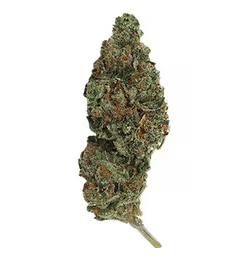
HYBRID
- KRW: ₩ 527,005,570.96 - ₩ 3,689,038,970.22
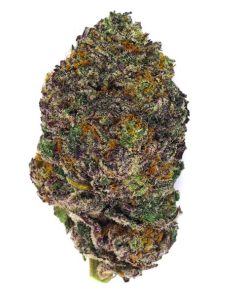
INDICA
- KRW: ₩ 527,005,570.96 - ₩ 3,689,038,970.22
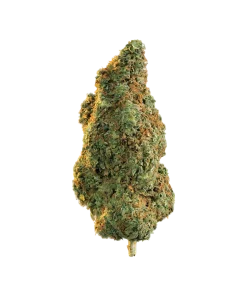
HYBRID
- KRW: ₩ 527,005,570.96 - ₩ 3,689,038,970.22
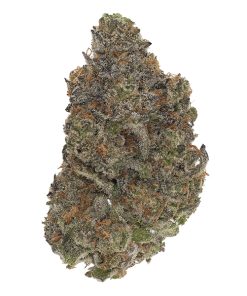
INDICA
- KRW: ₩ 527,005,570.96 - ₩ 3,689,038,970.22
