Uncategorized
Weed in Seoul: Laws, Risks, and What to Know
Apr
Landing in Seoul and assuming cannabis works like it does in legal US cities is a fast way to make a bad mistake. Weed in Seoul is not a casual convenience purchase, and the gap between tourist expectations and local law is where people get burned. If you are searching this topic, the useful answer is not where to buy – it is how the rules, risks, and reality actually work.
This is one of those subjects where blunt facts matter more than hype. South Korea has some of the strictest drug laws in the developed world, and cannabis is treated far more seriously than many visitors expect. That applies in Seoul just as much as anywhere else.
Weed in Seoul is illegal – and enforcement is real
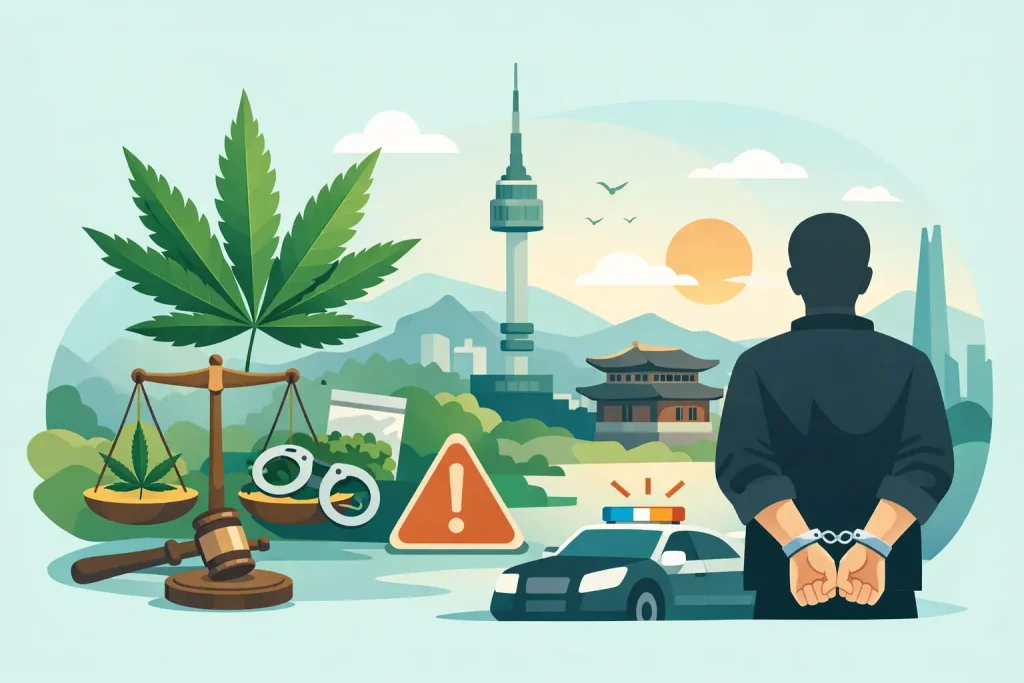
For most readers, this is the key point. Recreational cannabis is illegal in Seoul and throughout South Korea. Possession, purchase, sale, importation, and use can all lead to criminal consequences. Authorities do not treat marijuana as a minor gray-area issue, and the social stigma around drug use remains strong.
That difference matters because many people arrive with assumptions shaped by the US, Canada, Thailand, or parts of Europe. In those places, public attitudes may be relaxed, enforcement may be inconsistent, or legal dispensaries may exist. Seoul is not operating under that model.
South Korea has allowed limited medical cannabis access in narrow cases, but that does not create a broader legal market. It also does not mean visitors can easily obtain cannabis under medical claims. For nearly everyone asking about weed in Seoul, the practical reality is simple: if you are looking for recreational marijuana, you are looking at illegal activity.
Why people get confused about cannabis in Seoul
Part of the confusion comes from the internet. Search results, message boards, and anonymous social posts make almost every city look easier than it is. Seoul is a huge, modern, international capital, so outsiders sometimes assume underground access must be common and low-risk. Size does not equal safety.
Another problem is that online sellers and anonymous contacts often market confidence, not truth. Claims about discreet delivery, trusted networks, or easy citywide access can sound convincing when someone is already looking for a simple answer. But a sales pitch is not the same thing as a risk assessment.
Even if someone does manage to locate cannabis, that does not reduce the legal exposure. It just means the legal risk has moved from theory to action.
What the legal risks can look like
The exact consequences depend on the facts – amount, intent, prior history, nationality, and whether authorities see a case as use, possession, or trafficking. But the baseline point is that South Korea’s drug enforcement framework gives law enforcement broad room to act.
For users, the consequences may include arrest, investigation, criminal charges, and long-term reputational damage. For foreign nationals, there can also be immigration consequences. That can mean detention, deportation, visa problems, or future travel issues. If a person is tied to distribution or importation rather than simple use, the stakes increase fast.
There is also the issue of digital evidence. In many countries, buyers assume the main risk is being caught with the product in hand. In reality, messages, payment trails, shipping records, and contact history can all become part of an investigation. That is one reason online cannabis transactions in restrictive countries are often far riskier than they first appear.
The biggest mistake tourists make
Tourists often focus on neighborhood rumors instead of enforcement culture. They ask where expats hang out, what club district feels loose, or whether someone can point them to a private seller. That line of thinking treats cannabis as a nightlife problem to solve. In Seoul, it is a criminal law problem first.
The mistake is not just trying to buy. It is assuming that because a city feels safe, efficient, and cosmopolitan, authorities will shrug off marijuana. That is not the operating logic here. A polished urban environment can make people feel comfortable enough to take risks they would avoid elsewhere.
The same goes for edibles, vapes, and cartridges. Some travelers think lower odor or smaller packaging means lower danger. That is not a reliable assumption. If anything, products that look discreet can encourage behavior that still creates serious exposure.
Why online offers are especially risky
When people search for weed in Seoul, they often end up on anonymous storefronts, encrypted chat channels, or listings that promise privacy and speed. The pitch is always similar: easy ordering, discreet packaging, no hassle. That framing is designed to lower caution.
The real issue is that buyers usually have no way to verify who they are dealing with. Sometimes it may be a scam. Sometimes it may be a criminal seller. Sometimes it may be a setup. Sometimes the product may never arrive. Sometimes it may arrive and create a different kind of problem. The point is not that every offer is fake. The point is that the buyer carries nearly all of the risk while knowing very little.
There is also a quality and safety problem. In unregulated markets, products can be mislabeled, contaminated, diluted, or entirely different from what was advertised. A buyer may think they are getting a familiar strain or standard vape and instead receive something unsafe or unpredictable.
Social and professional fallout matters too
A lot of articles stop at legality, but that misses part of the picture. In South Korea, drug allegations can carry heavy social consequences even before a case is fully resolved. For locals, that can affect employment, school, family relationships, and reputation. For foreigners working in Korea, it can affect contracts, housing, and professional standing.
This is one of the big trade-offs people overlook. They may compare cannabis to alcohol and assume personal use is a private choice. In practice, the consequences can spill far beyond the moment of use.
That does not mean every case unfolds the same way. It depends on the facts, the evidence, and the person’s situation. But the downside is large enough that casual experimentation makes little sense in a place with this legal posture.
If you are in Seoul, what is the smart move?
The safest answer is not complicated: do not buy, carry, use, or arrange cannabis in Seoul. Do not assume private apartments, clubs, hotels, or low-profile products create protection. Do not treat anonymous online vendors as trustworthy just because they sound organized.
If you use cannabis legally at home for recreation, the adjustment may be annoying, but it is temporary. If you rely on cannabis medically, that becomes more complicated, and the smart move is to research lawful medical options well before travel rather than improvising after arrival.
People often want a more exciting answer than that. But when the legal environment is strict, boring advice is often the most useful advice.
Weed in Seoul versus the image people expect
The phrase weed in Seoul sounds, to some readers, like it should lead to a guide on neighborhoods, prices, or availability. That expectation comes from how cannabis content works online. Cities get turned into search terms, and search terms get turned into shortcuts.
But Seoul is a good example of why search behavior can distort reality. A high volume of interest does not mean low risk. Visible online chatter does not mean safe access. Modern city branding does not mean relaxed enforcement. Those are three very different things, and mixing them up is where trouble starts.
For anyone visiting or living in the city, the practical takeaway is clear. Treat cannabis in Seoul as a serious legal risk, not a casual lifestyle option. That mindset will save more people than any rumor ever will.
If you came looking for the easiest way to get weed in Seoul, the more useful answer is to avoid turning curiosity into a criminal problem you cannot easily undo.
You Might Also Like These:
SATIVA
- KRW: ₩ 527,005,570.96 - ₩ 3,689,038,970.22
SATIVA
- KRW: ₩ 527,005,570.96 - ₩ 3,689,038,970.22
HYBRID
- KRW: ₩ 527,005,570.96 - ₩ 3,689,038,970.22
INDICA
- KRW: ₩ 527,005,570.96 - ₩ 3,689,038,970.22
HYBRID
- KRW: ₩ 527,005,570.96 - ₩ 3,689,038,970.22
INDICA
- KRW: ₩ 527,005,570.96 - ₩ 3,689,038,970.22
