Uncategorized
Weed Korea: What Buyers Should Know
Apr
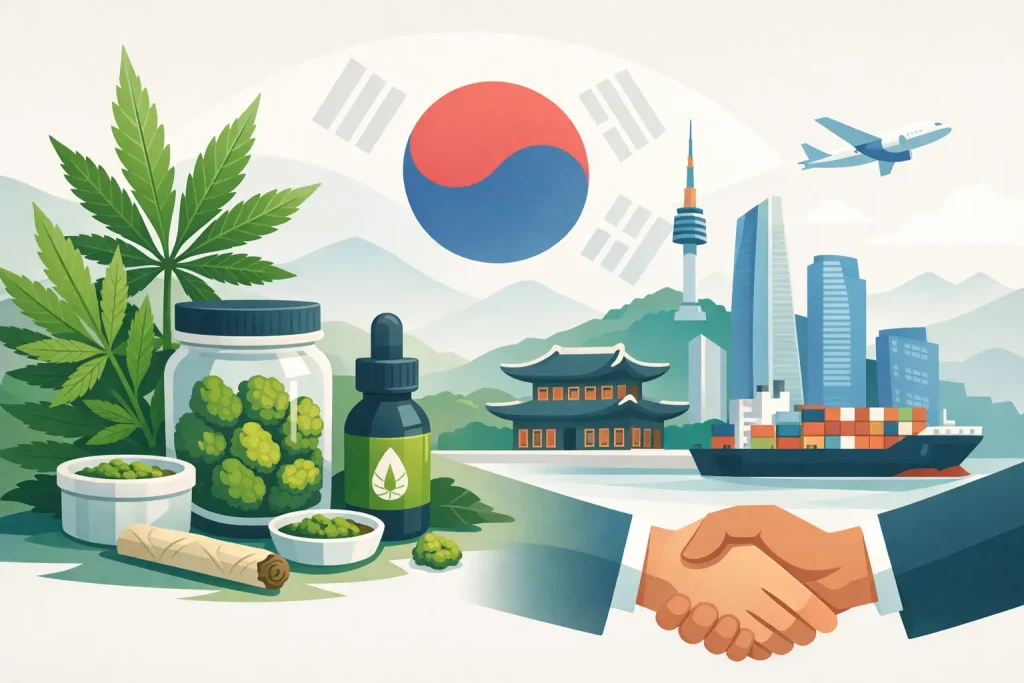
Searches for weed korea usually come from the same place – urgency. Someone is visiting, someone just moved, or someone assumes a global cannabis trend means the rules must be loosening everywhere. They are not. In Korea, cannabis is treated far more seriously than many people expect, and that changes the entire risk picture from the first message to the final handoff.
This is not a market where convenience cancels out consequences. If you are trying to understand how weed is viewed, enforced, and discussed in Korea, the smart move is to look past sales language and understand the actual landscape.
Weed Korea is not a casual market
In some countries, buying cannabis has become boring in the best possible way. Retail stores, tested products, card payments, and a basic assumption that adult use exists in a legal framework. Korea is the opposite. Cannabis remains tightly controlled, socially stigmatized, and legally risky.
That matters because the usual assumptions people bring from North America or parts of Europe do not travel well. A person who would never think twice about a dispensary purchase back home can make a very bad decision if they treat Korea like a place where enforcement is light or private use is quietly tolerated. It is not that simple.
The phrase weed korea also pulls in a mix of curious tourists, expats, longtime residents, and people looking for a discreet seller online. Those groups do not face the same practical situation, but they all run into the same core issue – the legal environment is strict, and the underground market adds another layer of risk that has nothing to do with product quality alone.
The legal reality in Korea
Korean drug law is harsh by the standards of countries that have normalized cannabis. Possession, purchase, use, sale, importation, and distribution can all trigger serious legal consequences. Even the idea that personal use is treated mildly can be misleading.
Enforcement is also not just about getting caught with flower in your pocket. Digital trails matter. Messaging apps matter. Payment records matter. Delivery arrangements matter. A person can imagine they are minimizing exposure by avoiding face-to-face dealing, when in practice they are creating a neat record of intent, payment, and coordination.
For Korean nationals, there is another point that often surprises people. Korea has taken a strong stance on drug use by its citizens even outside the country. That means some people cannot assume overseas legality makes the issue disappear when they return. The broader lesson is simple – this is a system built to deter, not to quietly look away.
Why online offers look easier than they are
A lot of pages targeting weed korea searches are built around one emotional promise: no friction. Easy order. Fast response. Private chat. Crypto only. Discreet drop-off. No stress. That pitch works because it is designed for someone who already feels blocked by a restrictive market.
The problem is that every one of those selling points carries trade-offs. Crypto can reduce one type of visibility, but it also usually removes any consumer protection. Private messaging may feel safer, but it often means you are dealing with an unknown person who controls the conversation, the payment terms, and the proof of fulfillment. Discreet delivery sounds convenient until you remember that delivery itself creates timing, location, and communication records.
The hidden issue is not just law enforcement. It is fraud. Underground online markets are full of fake listings, recycled photos, copied strain names, and sellers who disappear after payment. In a legal market, bad service gets refunds, reviews, or chargebacks. In an illegal one, you are often just out of money.
What buyers usually underestimate
People looking into weed korea tend to focus on whether a seller is real. That is understandable, but too narrow. There are at least three separate risks at work.
The first is legal risk. If a transaction is traced, the consequences can be severe. The second is scam risk. The product may never arrive, may be low quality, or may not be what was promised. The third is personal security risk. Giving an unknown seller your contact details, location, lodging information, or delivery pattern can go wrong in ways that have nothing to do with cannabis itself.
New buyers are especially vulnerable because they often overvalue confident language. A site can sound certain, direct, and experienced without proving anything. Claims about nationwide reach, guaranteed stealth, premium strains, and easy payment are cheap to publish. They are not the same thing as trust.
Experienced users have a different blind spot. They may assume they can judge legitimacy by strain lists, pricing, or how underground the operator sounds. But in a heavily restricted environment, presentation can be manufactured fast. Familiar strain names do not guarantee product identity, freshness, or even delivery.
Weed Korea and the tourist problem
Tourists are often the least prepared buyers in this space. Many arrive with legal-market habits and a vacation mindset. They want something simple, private, and quick. That makes them ideal targets for both scams and bad decisions.
There is also a practical issue. Visitors often depend on hotels, temporary numbers, public Wi-Fi, and short time windows. Sellers know this. A rushed buyer is easier to pressure. Pay now. Send crypto now. Share your location now. If anything feels off later, the visitor may be leaving soon anyway, which reduces any chance of follow-up.
The bigger mistake is thinking anonymity comes from being temporary. It does not. Being unfamiliar with the local environment usually increases exposure because you rely more heavily on strangers, messaging apps, and improvised logistics.
The gap between strain marketing and real product quality
One reason underground cannabis sites attract attention is product language. Indica, hybrid, sativa. AK-47, OG Kush, Granddaddy Purple, Big Skunk Korean. For people who know weed, those names create a sense of order and confidence. For newcomers, they make the offer feel more professional.
But in an unregulated market, product naming is mostly marketing unless there is a trustworthy system behind it. There is no guaranteed lab testing, no standardized packaging rules, and no dependable way to verify potency or contaminants from a simple listing. A menu can look polished while telling you almost nothing useful.
That does not mean every underground seller is fake. It means the buyer has very little leverage when the claims are wrong. If quality, consistency, or safety matter to you, that lack of recourse should weigh heavily in the decision.
What a smarter approach looks like
If someone is researching weed korea, the smartest move is not to ask which seller sounds boldest. It is to ask whether the risk makes sense at all. In Korea, that answer depends on your status, your exposure, your tolerance for legal consequences, and how much of your judgment is being driven by convenience.
A lot of people search because they assume there must be a low-profile shortcut. Usually, the shortcut is the trap. The more a seller emphasizes that everything is easy, guaranteed, and invisible, the more you should question what happens if anything goes wrong. In a legal gray market, those promises would already deserve scrutiny. In an illegal one, they deserve much more.
If your interest is medical, travel-related, or simply based on habits from somewhere else, it is worth recalibrating fast. Korea is not a place where casual assumptions about cannabis hold up well. That does not make the demand disappear, but it does mean the gap between what is marketed and what is actually safe is wide.
One clear-eyed takeaway matters more than any menu or message thread: when a market depends on secrecy, the buyer carries almost all the downside. Knowing that before you act is a lot more useful than any fast pitch about privacy, speed, or access.
If you came here searching for a simple answer, this is the useful one – in Korea, caution is not paranoia. It is basic common sense.
You Might Also Like These:
SATIVA
- KRW: ₩ 527,005,570.96 - ₩ 3,689,038,970.22
SATIVA
- KRW: ₩ 527,005,570.96 - ₩ 3,689,038,970.22
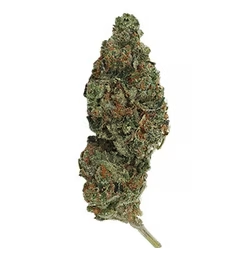
HYBRID
- KRW: ₩ 527,005,570.96 - ₩ 3,689,038,970.22
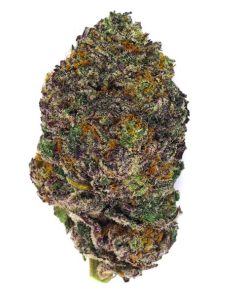
INDICA
- KRW: ₩ 527,005,570.96 - ₩ 3,689,038,970.22
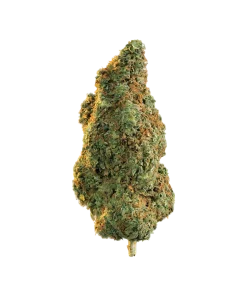
HYBRID
- KRW: ₩ 527,005,570.96 - ₩ 3,689,038,970.22
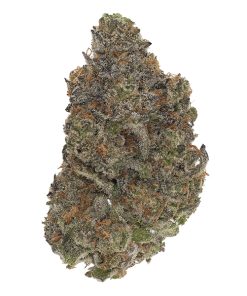
INDICA
- KRW: ₩ 527,005,570.96 - ₩ 3,689,038,970.22
