
Uncategorized
Traveling to Korea With CBD Gummies? Read This
31
May
May
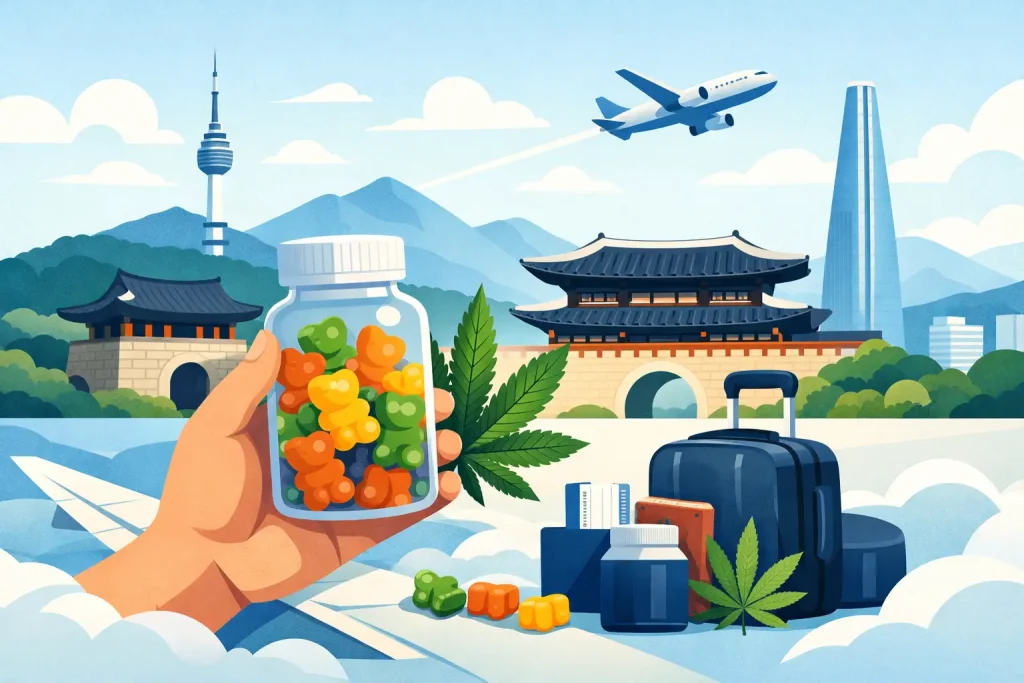
The mistake usually happens at the packing stage. Someone tosses a jar of CBD gummies into a carry-on because it was legal at home, bought at a clean storefront, and barely feels like a cannabis product at all. But traveling to Korea with CBD gummies is not a casual gray-area move. It can create real legal exposure, airport trouble, and a very bad start to your trip.
If you are flying into South Korea, the safest assumption is simple – do not bring CBD gummies with you unless you have verified, current, official permission that clearly applies to your exact product and your exact situation. A lot of travelers hear vague advice online about hemp, THC thresholds, or medical exceptions. That is where people get burned. Korea is not the place to test your luck with cannabis-adjacent products.
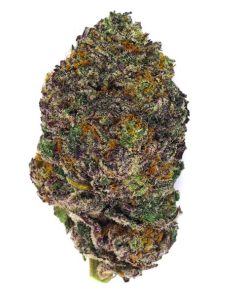
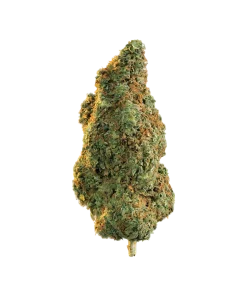
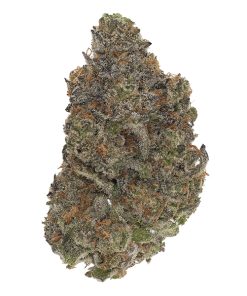
Traveling to Korea with CBD Gummies Is High Risk
The first thing to understand is that Korean drug policy is strict by the standards of most US travelers. That strictness does not just target obvious marijuana flower or THC vapes. It can also reach products that tourists wrongly assume are harmless because they are sold openly in the United States. CBD gummies are especially risky because they sit in the worst possible category for travel. They look casual, but they are still cannabis-derived products. They are processed, packaged, and often hard to verify on the spot. Even if a label says THC-free, authorities may not treat that label as the final word. If the product gets inspected, the issue becomes what the law says, how the product is interpreted, and whether you can prove lawful status under Korean rules. Most travelers cannot do that in an airport line. There is also a practical problem. Gummies are not visually distinct from illegal edibles. To a customs officer, that bottle is not a wellness product because you say it is. It is a cannabis-related item entering a country with strict narcotics enforcement. That difference matters.Why US Legality Does Not Help You
A lot of confusion starts here. Travelers think, “I bought it legally in California,” or “It is federally compliant hemp.” That may matter in the place where you bought it. It does not override Korean law once you land. International travel is where home-country assumptions stop being useful. You are entering another legal system, and South Korea has a reputation for taking drug issues seriously. Even tiny amounts, even products marketed as wellness supplements, and even products that feel mainstream in the US can create consequences. This is where people make the wrong risk calculation. They compare CBD gummies to vitamins or sleep aids. Korean authorities may not see it that way. If there is any ambiguity around ingredients, extraction source, THC contamination, or import permission, the product can become a liability fast.What Makes CBD Gummies More Complicated Than They Look
CBD is not one thing. That is part of the problem. Some gummies are broad-spectrum, some are full-spectrum, some claim isolate, and some have trace cannabinoids that the average buyer does not understand. Labels can be vague, inaccurate, or marketing-heavy. Even in regulated US markets, product consistency is not perfect. For a traveler, that means you may not actually know what is in the bottle well enough to defend it. And if you need to start explaining cannabinoid profiles to airport staff, you are already in a bad position. There is another trade-off people ignore. A product marketed as stronger or more effective often carries more legal uncertainty because it may contain additional cannabis compounds or trace THC. The very reason some users like one gummy over another can be the same reason it becomes harder to carry across a strict border.Can You Ever Bring CBD Into Korea Legally?
There have been narrow medical-use discussions around cannabis-derived products in Korea, but travelers should not treat that as a green light for ordinary CBD gummies bought over the counter. Medical exceptions, if they apply at all, tend to be tightly controlled and documentation-heavy. They are not the same thing as packing a retail bottle from a US smoke shop, pharmacy, or wellness store. That is the key distinction. People hear that some cannabis-based medicine may exist under limited rules and then assume their gummies count. Usually, they do not. A casual consumer product is not automatically protected because it contains CBD instead of high-THC cannabis. If you are depending on an exception, you need current, official confirmation before travel. Not a Reddit thread. Not a blog post from two years ago. Not advice from a friend who “got through fine.” One person getting lucky at customs is not legal proof. It is just luck.What Happens if You Get Stopped?
It depends on the product, the amount, the officer, and how the situation is interpreted. Best case, the item is confiscated and your entry gets more stressful than it needed to be. Worse outcomes can include questioning, delayed entry, deeper inspection of your luggage and devices, or legal trouble that follows you well beyond the airport. That uncertainty is the whole reason this is not worth testing. The upside is tiny. The downside can wreck a vacation, work trip, semester abroad, or family visit. Travelers sometimes assume that honesty alone fixes the situation. Honesty is better than lying, but it does not erase the underlying problem. Saying, “It is just CBD” may not carry much weight if the product itself is restricted or unclear under local law.The Safer Move Before You Fly
If you are asking whether you should pack CBD gummies for Korea, the clean answer is no. Leave them at home. Travel without them unless you have specific legal authorization from the relevant Korean authorities and documents that clearly cover your product. That advice may feel conservative, but this is one of those cases where conservative is smart. A bottle of gummies is not essential enough to justify customs risk. If you use CBD regularly for sleep, stress, or recovery, plan around that before departure. Talk to a qualified medical professional at home about legal alternatives for your trip rather than trying to force a cannabis product through an airport. The same logic applies to mailing CBD gummies to yourself in Korea or asking a friend to bring them later. If the issue is import legality, changing the route does not solve the core problem.If You Are Already in Korea and Looking for Options
This is where a lot of travelers start searching late at night after they realize they should not have packed anything. They want something discreet, easy, and low-friction. But Korea is not a market where cannabis products move openly or safely through normal retail channels. That includes CBD products that tourists assume should be simple to find. The reality is harsh. What looks easy online can be fake, overpriced, low quality, or just plain risky. People panic-buy because they feel stuck. That is exactly when bad decisions happen. If you are determined to look for cannabis-related products after arrival, understand the environment you are dealing with. Discretion matters. So does skepticism. Random social media sellers, street offers, and sloppy delivery claims can create more trouble than they solve. Some underground sellers frame everything as easy and safe, but that does not remove the legal risk around the product itself or the transaction. That said, travelers searching for access are usually not looking for a lecture. They want clarity. The clear part is this – bringing your own CBD gummies into Korea is the wrong shortcut. It feels safer because you bought it legally at home, but the border is where that logic breaks.Common Myths About Traveling to Korea With CBD Gummies
One myth is that hemp-derived automatically means legal everywhere. It does not. Another is that THC-free on the label ends the discussion. It does not, especially if authorities do not rely on that label alone. A third myth is that small quantity means no one cares. Small quantity may affect how a case is handled, but it does not guarantee you avoid trouble. And the last myth is the most dangerous – if it is sold as wellness, it is treated like wellness. That is a marketing category, not a legal shield. The smart traveler understands the difference between a product that feels normal in the US and a product that is safe to carry into another country. Those are not the same thing. If your trip matters, keep your luggage clean, keep your assumptions in check, and do not let a jar of gummies become the dumbest part of your travel story. You Might Also Like These:Sale!
SATIVA
Price range: $300.00 through $2,100.00
- KRW: ₩ 527,005,570.96 - ₩ 3,689,038,970.22
Sale!
SATIVA
Price range: $300.00 through $2,100.00
- KRW: ₩ 527,005,570.96 - ₩ 3,689,038,970.22
Sale!
HYBRID
Price range: $300.00 through $2,100.00
- KRW: ₩ 527,005,570.96 - ₩ 3,689,038,970.22
Sale!
INDICA
Price range: $300.00 through $2,100.00
- KRW: ₩ 527,005,570.96 - ₩ 3,689,038,970.22
Sale!
HYBRID
Price range: $300.00 through $2,100.00
- KRW: ₩ 527,005,570.96 - ₩ 3,689,038,970.22
Sale!
INDICA
Price range: $300.00 through $2,100.00
- KRW: ₩ 527,005,570.96 - ₩ 3,689,038,970.22
